
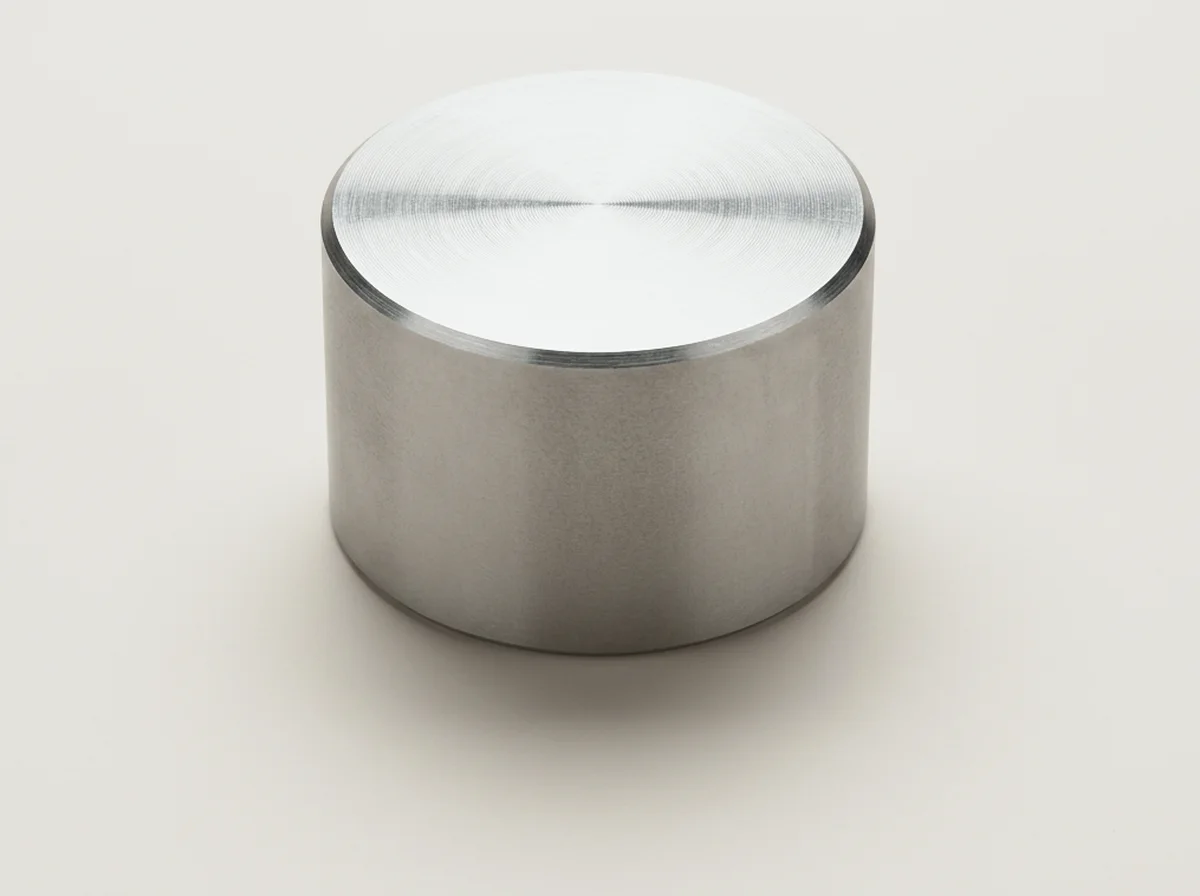
Ni-Cu alloy (Monel 400)
Nickel-copper alloy. Very good resistance in seawater, hydrofluoric acid and caustic media; the classic material for seawater pump and valve stems and for valves in HF alkylation units.
- Rp0.2 · MPa
- —
- Rm · MPa
- —
- TEMPERATURE
- −196 … +475 °C
- COST
Chemical composition
Mechanical properties
The values in this section are being verified.
Service temperature
ASME B16.34 group 3.4: −253 … 475 °C. Strength increases below zero without loss of ductility.
This is the limit of the material itself. A valve's service temperature is usually set by the seal and seat materials; product pages give it for each seal option.
Physical properties and heat treatment
- DENSITY
- 8.80 g/cm³
- MELTING RANGE
- 1300–1350 °C
Media suitability GENERAL TREND
Emsal assessment. The final choice is made from corrosion tables, taking concentration, temperature, chloride content and flow velocity into account.
Strengths and weaknesses
Strengths
- Very good resistance in flowing seawater
- One of the few alloys resistant to hydrofluoric acid and caustics
- Tough from cryogenic to moderate temperatures
Weaknesses
- Pitting in stagnant seawater
- Weak in oxidizing acids (nitric)
- Expensive because of nickel and copper
Manufacturing and use
- ECONOMY
- High.
- MANUFACTURING METHODS
- Turning from bar · Forging · Casting (M35-1)
- TYPICAL VALVE PARTS
- Stem · Disc · Spring · Body (HF service)
Source: ASTM B164 / B127. Values compiled and verified by Emsal Vana; for binding values, refer to the current edition of the standard and the material certificate.