
Copper alloys
CW617N
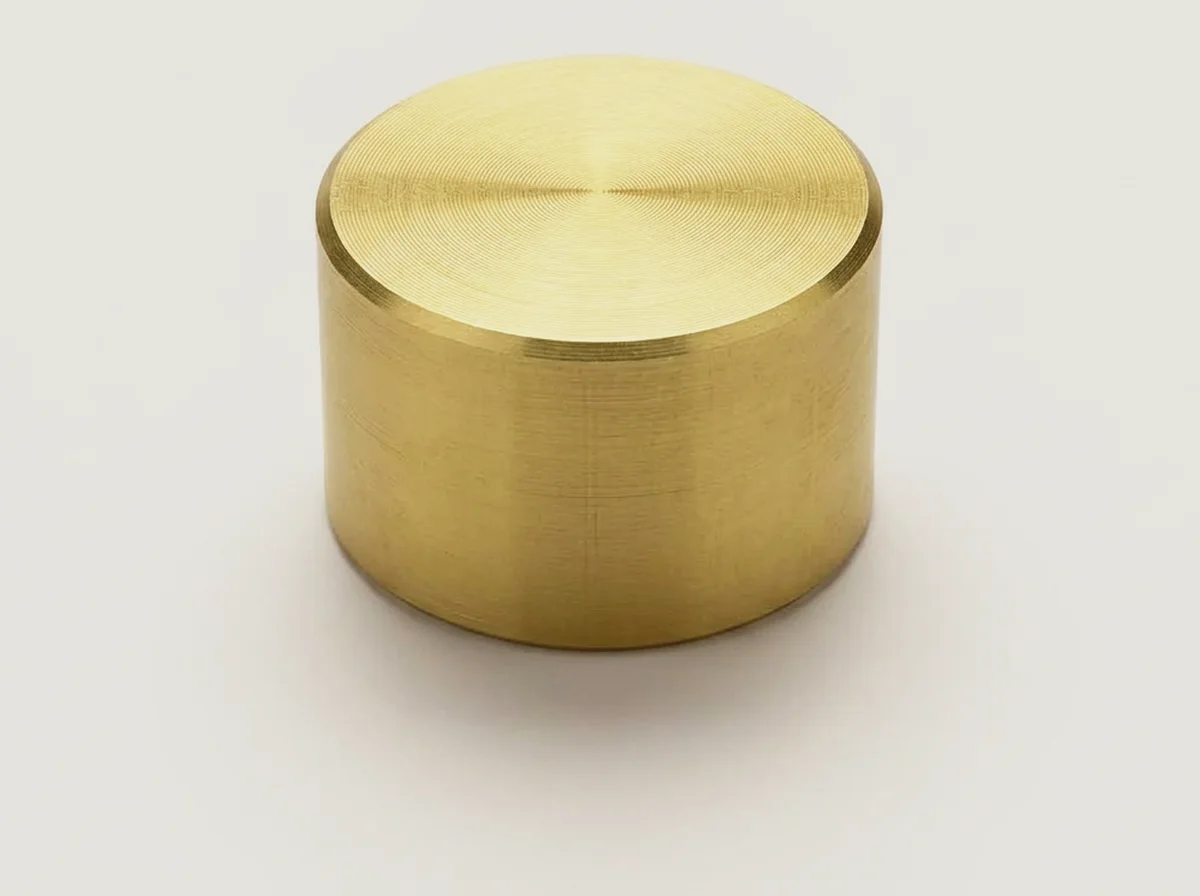
CuZn40Pb2 · leaded brass
The standard brass for hot forging and machining. The most common material for small ball valves, fittings and pipe connectors.
- Rp0.2 · MPa
- ≥ 150
- Rm · MPa
- ≥ 360
- TEMPERATURE
- −20 … +120 °C
- COST
Chemical composition
Cu57.0–59.0
Pb1.6–2.5
Al≤ 0.05
Fe≤ 0.3
Ni≤ 0.3
Sn≤ 0.3
Znbalance
Mechanical properties
| STANDARD · CONDITION | Rp0.2 MPa | Rp1.0 MPa | Rm MPa | A % | KV J |
|---|---|---|---|---|---|
| EN 12164 · R360, ⌀ 40–80 mm | 150 | — | ≥ 360 | 20 | — |
EN 12164 bar, temper R360, diameter 40–80 mm. Harder tempers (R430, R500) give higher strength.
Service temperature
−20 °C+120 °C−200−1000100200300400500600700800
−20 … 120 °C in EN 13828 ball valve datasheets.
This is the limit of the material itself. A valve's service temperature is usually set by the seal and seat materials; product pages give it for each seal option.
Media suitability GENERAL TREND
Fresh water
Seawater
Steam
Hydrocarbons, oil
Dilute acid
Caustic
Air, gas
Low temperature
Emsal assessment. The final choice is made from corrosion tables, taking concentration, temperature, chloride content and flow velocity into account.
Strengths and weaknesses
Strengths
- Very good hot forgeability and machinability
- Economical copper alloy
- Suitable for series production
Weaknesses
- Risk of dezincification: aggressive waters require DZR brass
- Lead: limited in drinking water
- Stress corrosion cracking in ammonia
Manufacturing and use
- ECONOMY
- Medium.
- MANUFACTURING METHODS
- Hot forging (closed die) · Turning from bar
- TYPICAL VALVE PARTS
- Body (small ball valves) · Ball · Stem · Union
Used in 6 Emsal products
- 007Threaded swing check valveBody · Bonnet · Disc · Bolt · Plug
- 031Threaded Y-strainerBody · Cover · Plug
- 078Threaded 2-piece ball valveBall · Stem · Gland nut
- 130Flanged gate valveStem · Stem nut
- 251Angle safety valve with leverValve seat · Seal nut · Disc · Spring seat · Bonnet bolt · Adjusting nut · Bonnet · Stem
- 252Angle safety valveBonnet · Valve seat · Disc · Stem · Adjusting nut · Lock nut
Source: EN 12164 / EN 12165. Values compiled and verified by Emsal Vana; for binding values, refer to the current edition of the standard and the material certificate.