
Engineering plastics
POM
Polyoxymethylene (acetal)
A rigid, dimensionally stable, low-friction engineering plastic. Used for small valve trim parts, bushings and stem bearings; good in water and oils.
- HARDNESS
- Rockwell M51–M88
- Rm · MPa (typical)
- 44–66
- TEMPERATURE
- −40 … +100 °C
- COST
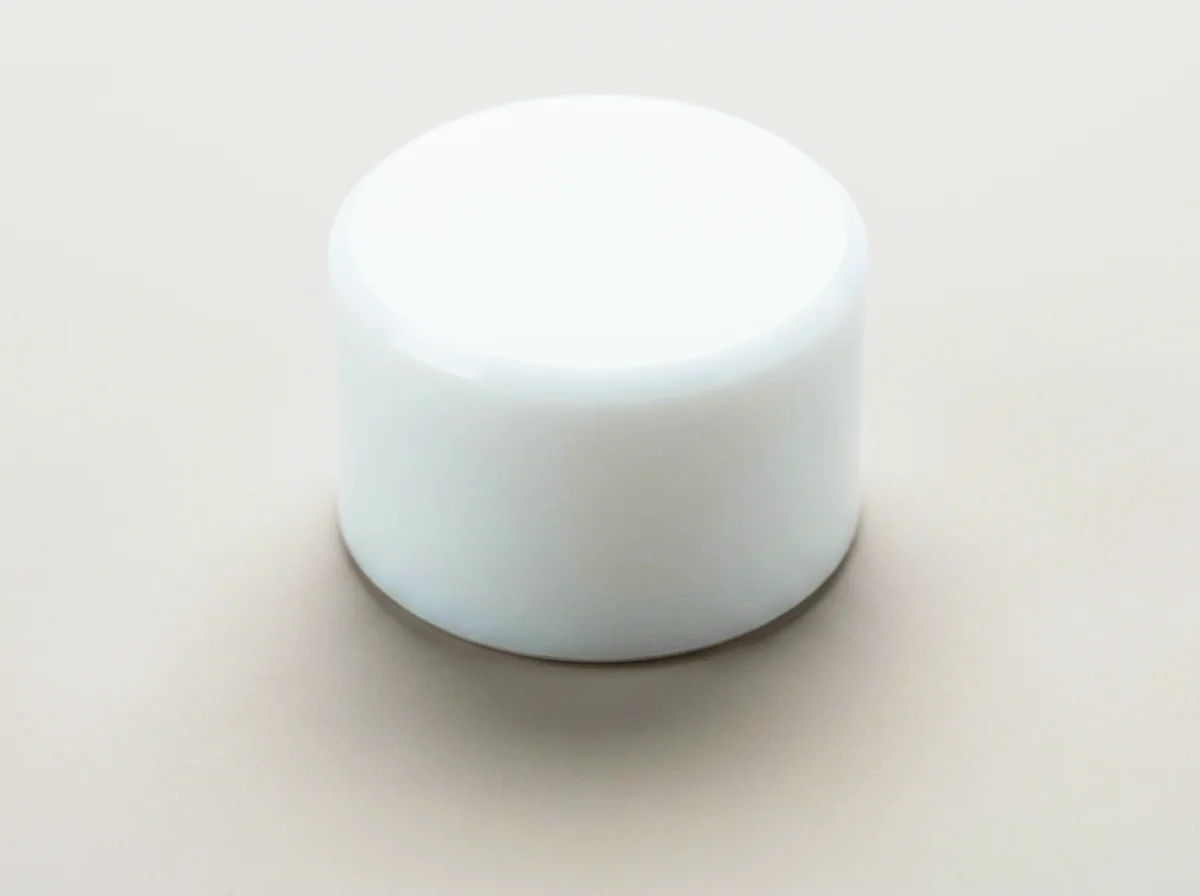
Design
Polymer; defined by its structure and filler type rather than chemical composition.
Mechanical properties
| TYPE · CONDITION | Rm MPa | Elongation at break % | Hardness | Coefficient of friction | Water absorption % |
|---|---|---|---|---|---|
| Unfilled, typical | 44–66 | — | Rockwell M51–M88 | 0.11–0.35 | 0.2–0.8 |
Typical values (the standard gives no minimum values); they vary with grade and filler. Converted from US units.
Service temperature
−40 °C+100 °C−200−1000100200300400500600700800
−40 … 100 °C.
Physical properties and heat treatment
- DENSITY
- ≈ 1.41 g/cm³
Media suitability GENERAL TREND
Water
Steam
Mineral oil
Fuel, aliphatic HC
Ozone, outdoor
Dilute acid
Caustic
Ketones, esters
Emsal assessment. The final choice is made from corrosion tables, taking concentration, temperature, chloride content and flow velocity into account.
Strengths and weaknesses
Strengths
- High rigidity and dimensional stability
- Low friction and wear
- Can be machined precisely
Weaknesses
- Degrades in acids (especially strong ones)
- Low UV resistance
- Difficult to bond
Manufacturing and use
- ECONOMY
- Low to medium.
- MANUFACTURING METHODS
- Injection moulding · Turning from bar
- TYPICAL VALVE PARTS
- Bushing · Stem · Small ball and disc
Used in 2 Emsal products
- 084Threaded high-pressure ball valveSeal
- 130Flanged gate valveGate guide
Source: ISO 29988. Values compiled and verified by Emsal Vana; for binding values, refer to the current edition of the standard and the material certificate.