
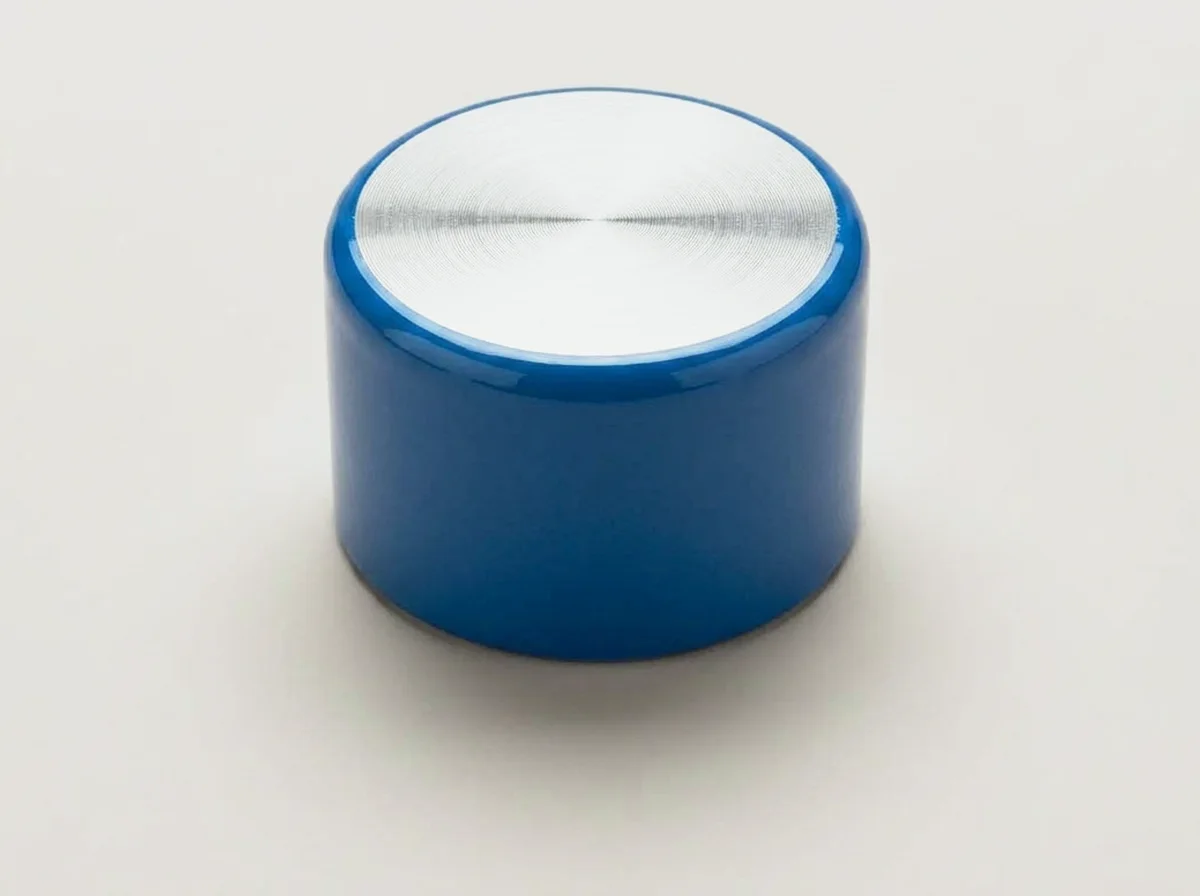
Electrostatic epoxy powder coating (oven-cured, FBE)
A coating in which electrostatically sprayed epoxy powder is melted and cured in an oven (fusion bonding). A thick, pore-free film on internal and external surfaces; the standard protection for cast valves in water lines.
- THICKNESS
- 80–120 · ≥ 250 µm
- APPLICATION
- By a subcontractor
- TEMPERATURE
- −30 … +120 °C
- COST
Surface preparation
Surface preparation: blasting to Sa 2½; the part is preheated, the powder is sprayed electrostatically and cured in an oven.
System and thickness
| SYSTEM | Thickness µm | Coats | Curing / process | Note |
|---|---|---|---|---|
| General industrial | 80–120 | 1 | Oven 180–200 °C | Indoor and mild environments |
| Water lines (internal and external) | ≥ 250 | 1–2 | Oven 180–200 °C | WRAS-approved powder for drinking water; the standard for supplied products |
Thickness as dry film (µm). Emsal standard; binding values are set by the order specification.
Service temperature
Up to 120 °C in dry heat (epoxy). Chalks under UV (the colour fades, protection remains).
Media suitability GENERAL TREND
Emsal assessment. The final choice is made from corrosion tables, taking concentration, temperature, chloride content and flow velocity into account.
Strengths and weaknesses
Strengths
- Thick, pore-free film, internally as well
- Drinking water approved (WRAS) version available
- More resistant to impact and abrasion than wet paint
Weaknesses
- Chalks under UV
- Oven size limits part size
- Damaged areas are touched up with liquid paint
Manufacturing and use
- ECONOMY
- Medium.
- MANUFACTURING METHODS
- Blasting · Electrostatic powder spraying · Oven curing
- TYPICAL VALVE PARTS
- Body (internal and external) · Cover · Disc
Emsal practice
- APPLIED BY
- By a subcontractor
- APPLIED TO
- Supplied valves with cast iron and steel bodies (butterfly, gate, check): supplier standard WRAS-approved, internal and external ≥ 250 µm
- EMSAL RECOMMENDATION
- Water lines ≥ 250 µm; general industrial 80–120 µm
Used in 10 Emsal products
- 001Wafer check valveCoatings (iron-carbon parts)
- 005Short pattern swing check valveCoatings (iron-carbon parts)
- 110Wafer butterfly valveCoatings (iron-carbon parts)
- 111Lug butterfly valveCoatings (iron-carbon parts)
- 130Flanged gate valveCoatings (iron-carbon parts)
- 310Metal bellows axial expansion jointCoatings (iron-carbon parts)
- 311Rubber expansion jointCoatings (iron-carbon parts)
- 312Double sphere rubber expansion jointCoatings (iron-carbon parts)
- 313Externally pressurized expansion jointCoatings (iron-carbon parts)
- 314V-flex expansion jointCoatings (iron-carbon parts)
Source: EN 14901 · GSK RAL-GZ 662 · WRAS. Values compiled and verified by Emsal Vana; for binding values, refer to the current edition of the standard and the material certificate.