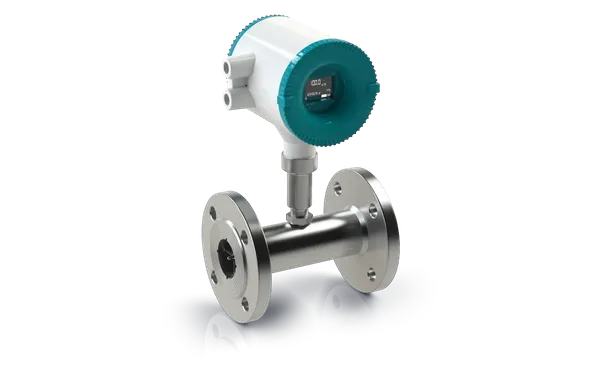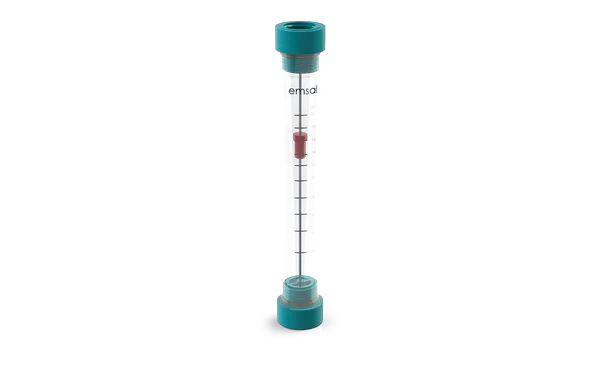
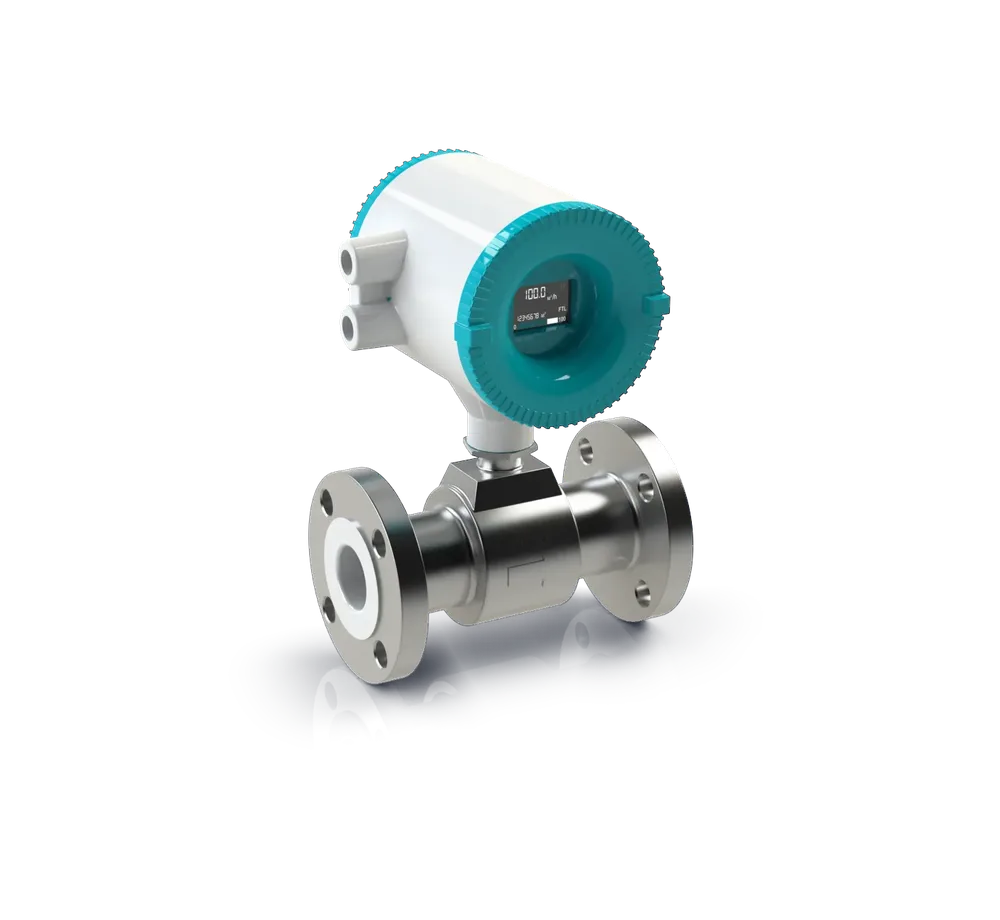
Technical data
01| Nominal size | DN3 – DN3000 |
|---|---|
| Pressure rating | PN6 – PN420 |
| Standard | DIN |
| Connection type | Flanged |
| End connection standard | EN 1092-1EN 1092-1Flanges — steel flanges, PN designated ISO 7005-1ISO 7005-1Metallic flanges — steel flanges |
| Test | ISO 11631:1998 |
The standards listed apply to stocked products. Contact us for other standards.
Features
02Operation
- Based on Faraday's law of induction: a conductor (here, the liquid) moving through a magnetic field generates a voltage.
- This voltage is proportional to the pipe diameter and the flow velocity of the liquid.
- Electrodes pick up this voltage, which is converted into flow velocity.
Advantages
- No moving parts: no flow restriction, low risk of wear.
- High accuracy: measuring errors as low as ±0.2%.
- Wide range of liquids: although limited to conductive liquids, it offers broad chemical compatibility.
- Low maintenance: no mechanical internals, long service intervals.
Applications
- Potable water and wastewater metering
- Control of acids and alkalis
- Dosing of liquids such as milk and fruit juice
- Cooling water systems
Considerations
- The minimum conductivity of the liquid matters; it should usually be >5 μS/cm.
- The measuring tube must always be completely full; measurements in a partially filled line are inaccurate.
- Make sure the electrodes are in proper contact with the liquid.
Downloads
03DatasheetPDF · TR · dimension and weight table
IN PREPARATION
IN PREPARATION
CAD modelSTEP · DXF · by nominal size
IN PREPARATION
IN PREPARATION
3.1 certificate samplePDF · EN 10204 · TR/EN
Open sample
Open sample