
Quenched and tempered steel
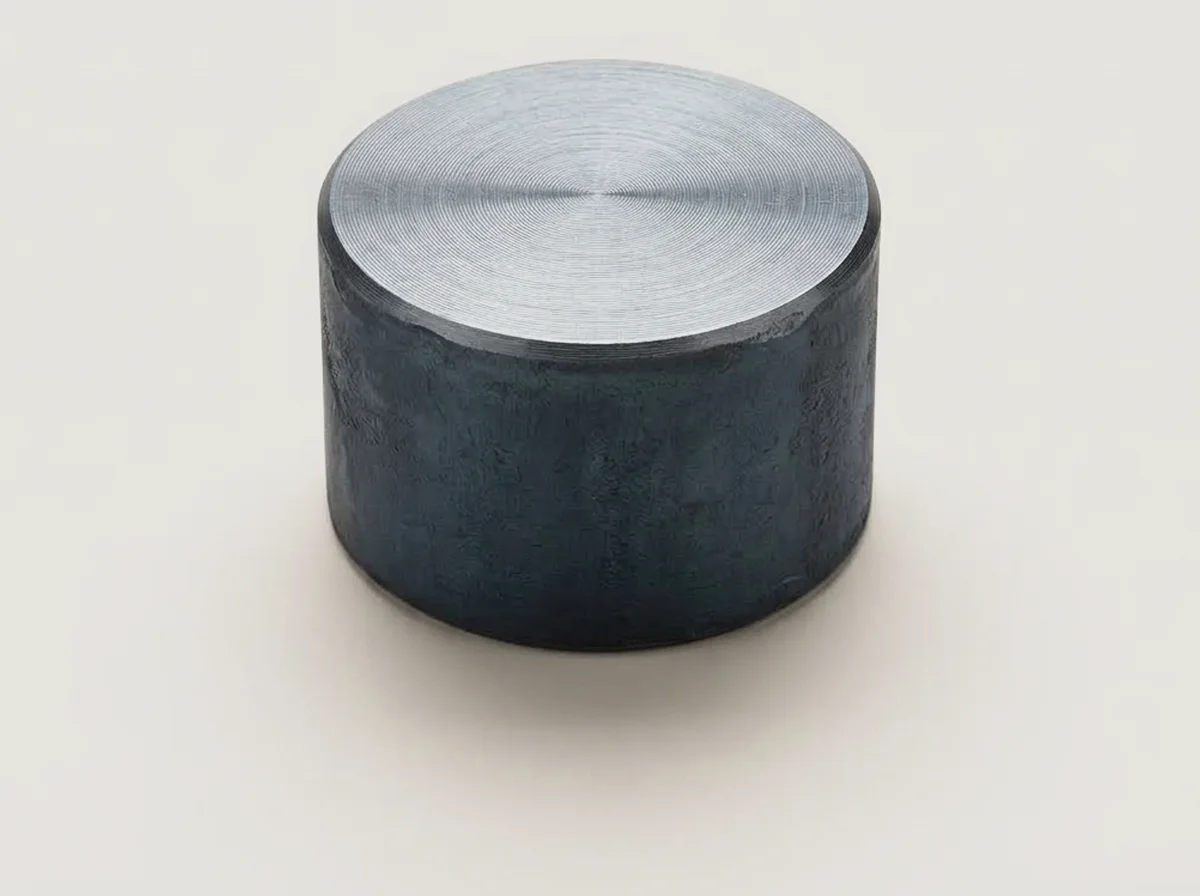
Medium-carbon steel for quenching and tempering. The carbon steel disc material in Emsal wafer check valves; also used for stems, pins and fittings.
- Rp0.2 · MPa
- ≥ 320
- Rm · MPa
- ≥ 580
- TEMPERATURE
- −20 … +400 °C
- COST
Chemical composition
%. Cr+Mo+Ni ≤ 0.63. P and S: EN 10083-2 ≤ 0.030 / ≤ 0.035; bright steel (EN 10277-2) ≤ 0.045.
Mechanical properties
| STANDARD · CONDITION | Rp0.2 MPa | Rp1.0 MPa | Rm MPa | A % | KV J |
|---|---|---|---|---|---|
| EN 10083-2 · +N, d ≤ 16 mm | 320 | — | ≥ 580 | 16 | — |
| EN 10083-2 · +N, 16 < d ≤ 100 mm | 290 | — | ≥ 550 | 17 | — |
| EN 10277-2 · +C, 16 < d ≤ 40 mm | 365 | — | 620–920 | 8 | — |
Service temperature
Quenched and tempered steel; a trim (stem) material. The limit follows carbon steel practice.
This is the limit of the material itself. A valve's service temperature is usually set by the seal and seat materials; product pages give it for each seal option.
Media suitability GENERAL TREND
Emsal assessment. The final choice is made from corrosion tables, taking concentration, temperature, chloride content and flow velocity into account.
Strengths and weaknesses
Strengths
- High strength through quenching and tempering
- Economical
- Good machinability
Weaknesses
- Requires corrosion protection
- Limited weldability (medium carbon)
Manufacturing and use
- ECONOMY
- Very low.
- MANUFACTURING METHODS
- Turning from bar · Quenching + tempering
- TYPICAL VALVE PARTS
- Disc (wafer, carbon steel) · Stem · Pin
Surface protection
- Wet paintIndustrial wet paint systemEmsal standard external protection
- Epoxy powder coatingElectrostatic epoxy powder coating (oven-cured, FBE)Water lines, internal and external
- GalvanizingHot-dip galvanizingSevere outdoor environments
Used in 2 Emsal products
- 001Wafer check valveDisc
- 005Short pattern swing check valveDisc
Source: EN 10083-2. Values compiled and verified by Emsal Vana; for binding values, refer to the current edition of the standard and the material certificate.