
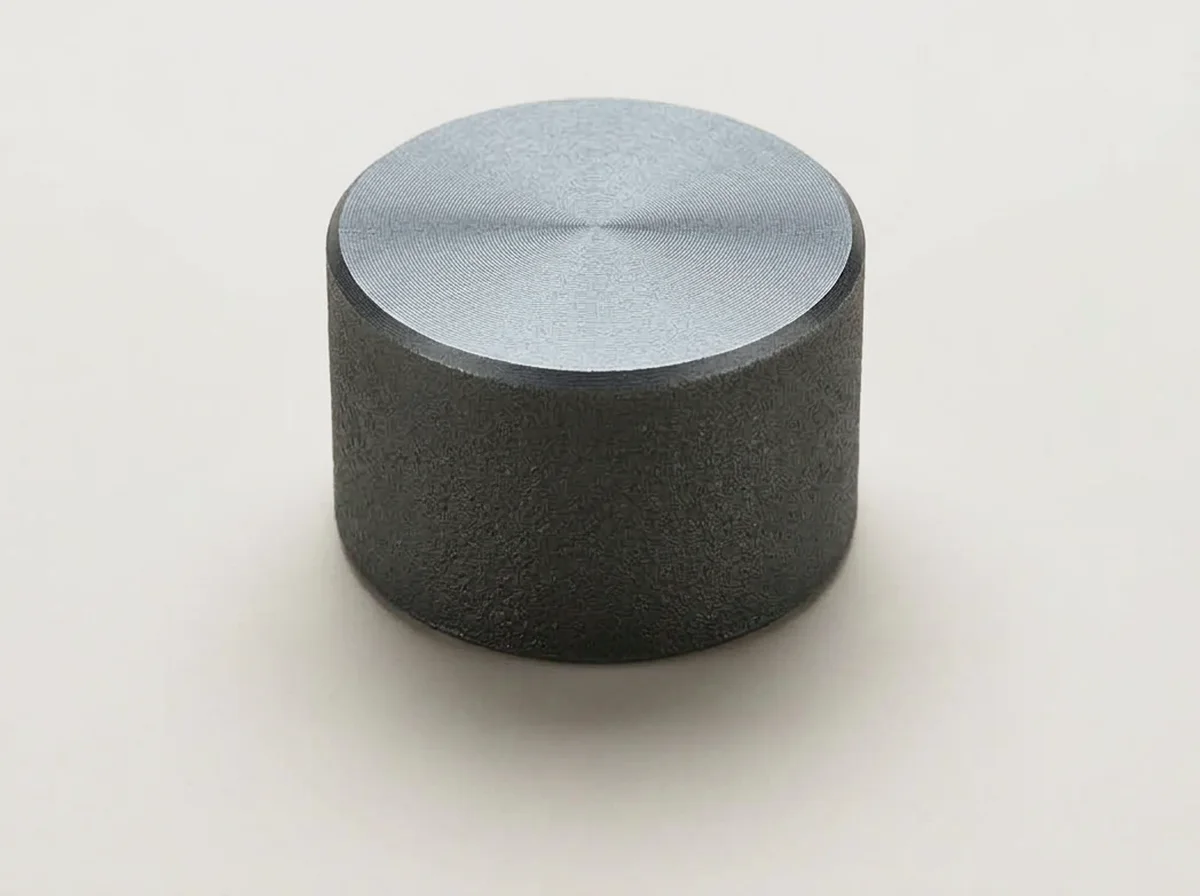
Grey (lamellar graphite) cast iron
Grey (lamellar graphite) cast iron. Very good castability, vibration damping and low cost; the traditional material for gate valve, strainer and check valve bodies in low-pressure water lines.
- Rp0.2 · MPa
- —
- Rm · MPa
- 250–350
- TEMPERATURE
- −10 … +300 °C
- COST
Chemical composition
EN 1561 does not specify a chemical composition; the grade is defined by tensile strength and the foundry sets the composition.
Mechanical properties
| STANDARD · CONDITION | Rp0.2 MPa | Rp1.0 MPa | Rm MPa | A % | KV J |
|---|---|---|---|---|---|
| EN 1561 · separately cast sample | — | — | 250–350 | — | — |
| Expected in the casting · t 10–20 mm | — | — | ≈ 225 | — | — |
| Expected in the casting · t 20–40 mm | — | — | ≈ 195 | — | — |
| Expected in the casting · t 40–80 mm | — | — | ≈ 170 | — | — |
Rm 250–350 N/mm² in a separately cast sample (acceptance range: nominal … nominal + 100). In the casting itself, strength falls as wall thickness increases (expected values, not requirements). Proof strength and elongation are not defined (brittle material).
Service temperature
This is the limit of the material itself. A valve's service temperature is usually set by the seal and seat materials; product pages give it for each seal option.
Media suitability GENERAL TREND
Emsal assessment. The final choice is made from corrosion tables, taking concentration, temperature, chloride content and flow velocity into account.
Strengths and weaknesses
Strengths
- The most economical body material
- Very good castability, thin and complex sections
- Vibration damping, good machinability
Weaknesses
- Brittle: can fracture under impact, water hammer and thermal shock
- Cannot be repaired by welding
- Low pressure and temperature limits; not preferred for steam and hazardous fluids
Manufacturing and use
- ECONOMY
- Very low.
- MANUFACTURING METHODS
- Sand casting · Epoxy coating
- TYPICAL VALVE PARTS
- Body · Cover · Strainer body
Surface protection
- Wet paintIndustrial wet paint systemEmsal standard · red (RAL 3020)
- Epoxy powder coatingElectrostatic epoxy powder coating (oven-cured, FBE)Water lines, internal and external
Used in 8 Emsal products
- 001Wafer check valveBody
- 003Dual plate check valveBody
- 005Short pattern swing check valveBody
- 011Foot valveBody · Bonnet · Disc
- 051Threaded sight flow indicatorBody
- 130Flanged gate valveBody · Bonnet · Gate · Handwheel
- 131Knife gate valveHandwheel
- 250Full lift flanged safety valveBody · Cover · Top cover · Retaining disc · Spring retainer
Source: EN 1561. Values compiled and verified by Emsal Vana; for binding values, refer to the current edition of the standard and the material certificate.